
Road trip
Takayama, Shirakawa-go and Gero Onsen by car: a Dragon Route road trip
Aichi sits at the start of the Dragon Route (Shoryudo), the tourism trail that winds north from central Japan through the mountains of Gifu to the Hokuriku coast. By car, three of its highlights — a hot-spring town, an old merchant town and a thatched-roof World Heritage village — fit neatly into two unhurried days.
Check dates on Airbnb
How far it really is
- Ise Grand Shrine1 h 50 min
- Kyoto2 h
- Gero Onsen2 h 20 min
- Takayama2 h 30 min
- Shirakawa-go2 h 30 min
- Kanazawa3 h 20 min
Approximate drive times from the house guide (measured with Google Maps, October 2026). Mountain roads take longer in snow and on holiday weekends.
Between the stops, distances are short: Takayama is roughly an hour north of Gero, and from Takayama it's about 40 minutes on the expressway to Shirakawa-go interchange, then five minutes to the village. The long bits are getting into the mountains and back out again — which is exactly why it pays to stay a night.
Day trip or overnight?
- Gero Onsen day trip (about 2 h 20 min each way): good — a soak, lunch and a foot bath, home for dinner
- Takayama day trip (about 2 h 30 min each way): possible outside winter, but five hours at the wheel for a few hours in town
- Shirakawa-go day trip (about 2 h 30 min each way): possible — just be parked well before the car park's last entry at 16:30
- Takayama + Shirakawa-go, 1 night (about 6 h over two days): Our pick for most travellers
- Gero + Takayama + Shirakawa-go, 1–2 nights (about 7 h over two or three days): the relaxed version, with a hot-spring night
The overnight versions buy you the best hours: Takayama's morning markets at opening time, and Shirakawa-go before the midday crowds.
Gero Onsen: the hot-spring stop
Gero has been famous for centuries — the Edo-period scholar Hayashi Razan counted it among Japan's three finest hot springs, alongside Arima and Kusatsu. The water is alkaline and known for being gentle on the skin.
You don't need to stay at a ryokan to enjoy it. Free foot baths are dotted around the town, so you can roll up your trousers by the river after the drive. For a proper soak, the Yumeguri Tegata pass lets you try the baths at three participating inns.
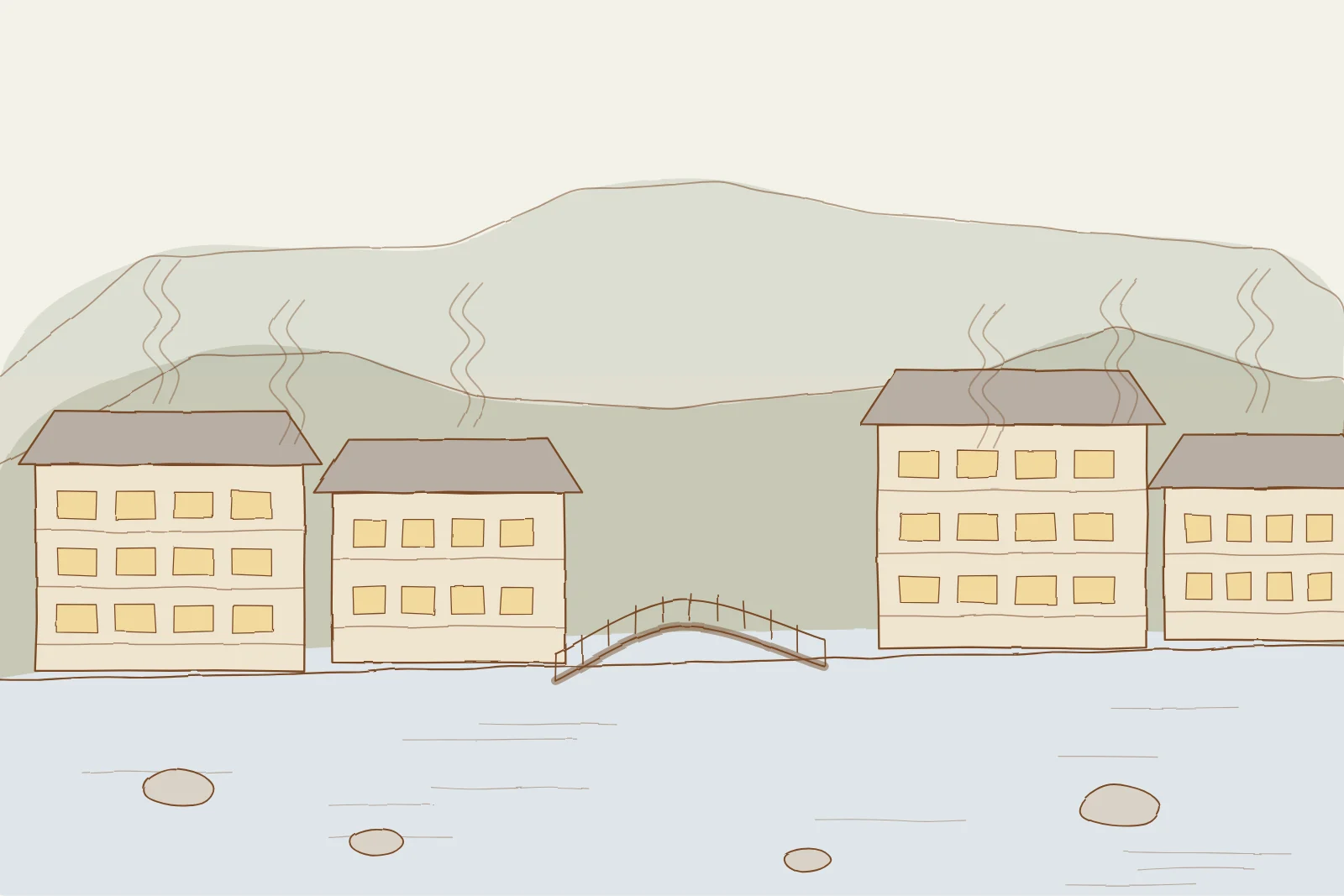
On the loop below, Gero is the lunch-and-stretch stop on the way north — or, if you'd rather, the place to spend your mountain night.
Takayama: old streets and morning markets
Takayama's old town is a few blocks of dark wooden merchant houses, sake breweries with cedar balls hanging over the door, and small shops. It's made for walking, so leave the car in a car park at the edge of the old town and explore on foot.
Get up for the morning markets. The Jinya-mae market, in front of the old government house, runs from early morning until about noon; the start time varies by season. The Miyagawa market lines some 350 metres of the east bank of the Miyagawa river with white-tented stalls — pickles, fruit, flowers, crafts. Arrive early and you'll share it mostly with locals.
Shirakawa-go: how parking works
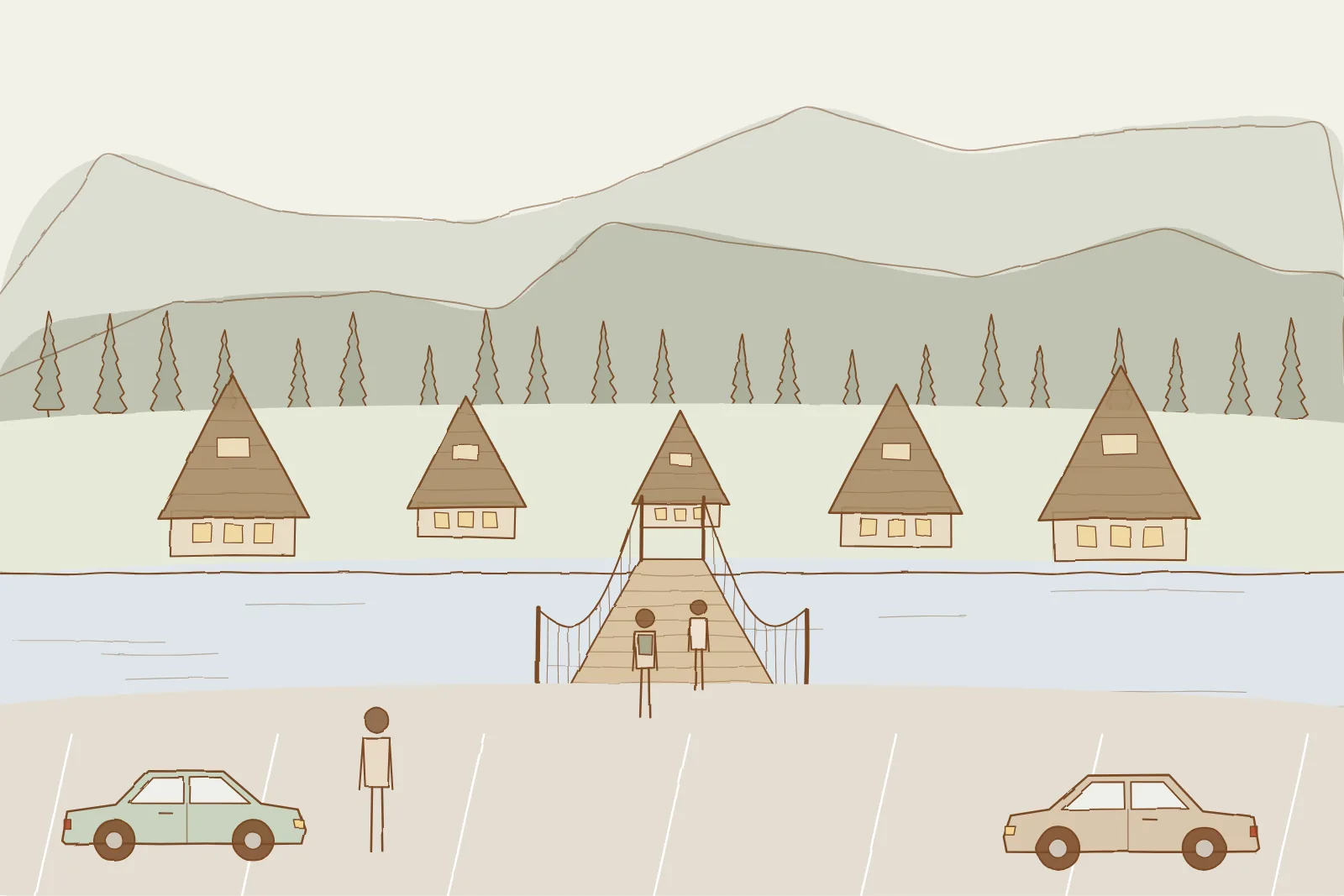
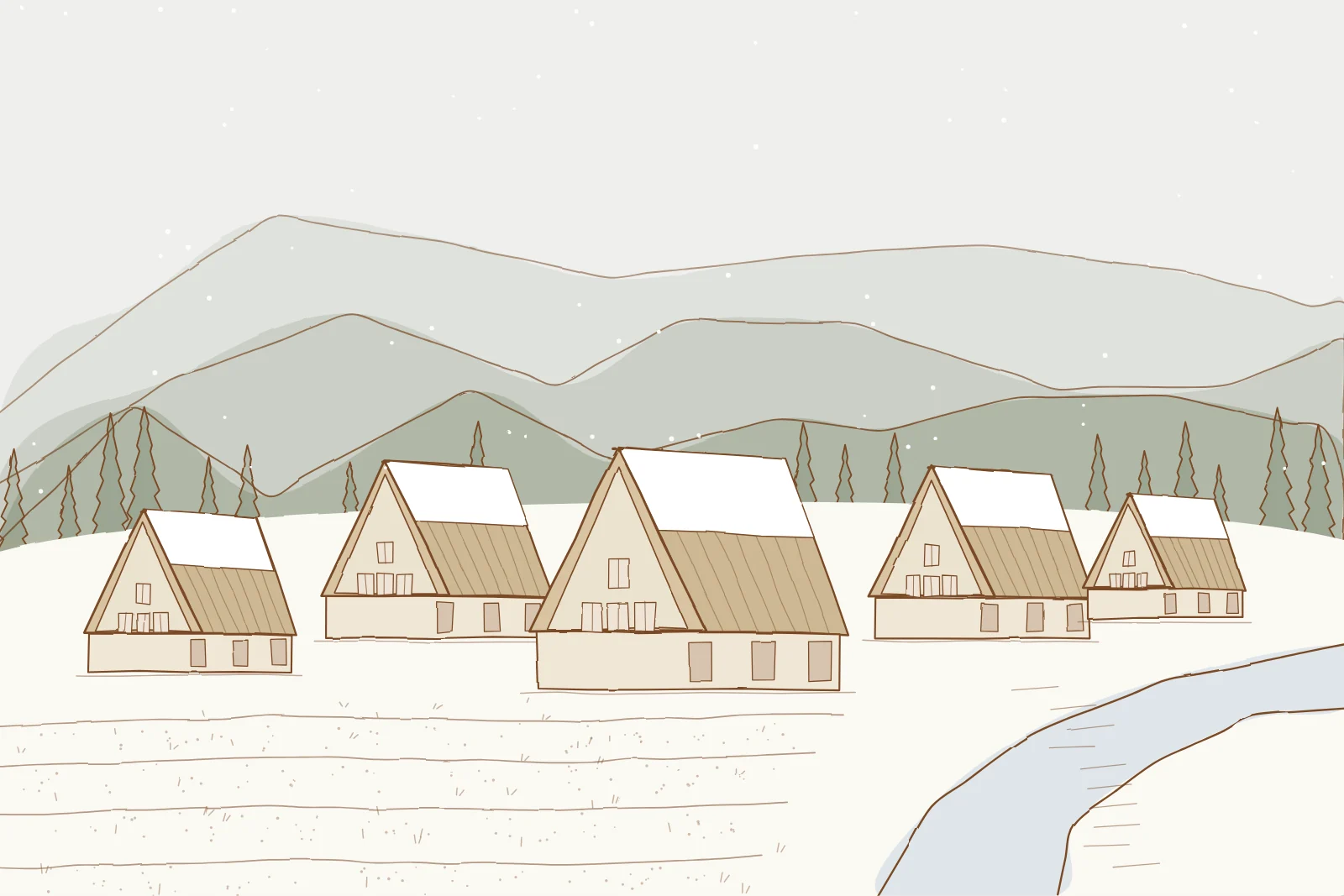
Shirakawa-go's Ogimachi village, with its steep thatched gassho-style farmhouses, is a World Heritage Site and a place where people still live. Visitors don't drive into it. Everyone parks at the village's Seseragi Park car park (on busy days staff direct cars to overflow car parks) and walks across the suspension bridge — about two minutes — into the village.
- Fee: ¥2,000 per ordinary car (as of November 2026; part of it goes to preserving the World Heritage village)
- Hours: 8:00–17:00, last entry 16:30
- Winter light-up evenings: every vehicle needs a parking reservation on those days — check the village's announcements well ahead
The village sees its first snow around early December, and the heaviest snow from late December to late February. The local tourist association advises studless tyres and strongly recommends four-wheel drive in winter.
A 2-day loop from Hanaike Retreat
- Day 1, morning: leave after breakfast and drive about 2 hours 20 minutes north to Gero Onsen.
- Day 1, midday: lunch, a foot bath by the river, a short walk through the hot-spring town.
- Day 1, afternoon: about an hour on to Takayama. Check in, then wander the old town as the day-trippers leave.
- Day 2, early: the morning markets, then coffee.
- Day 2, late morning: under an hour to Shirakawa-go. Park at Seseragi Park and walk the village; climb to the viewpoint if you have energy.
- Day 2, afternoon: about 2 hours 30 minutes back to Hanaike Retreat for a quiet night — or continue north to Kanazawa and the Hokuriku coast.
Longer trip? Spend your first two nights at Hanaike to recover from the flight and see Aichi, add a night each in Gero and Takayama, then come back south for a last night about 35 minutes from Chubu Centrair.
Winter: snow tyres are a must
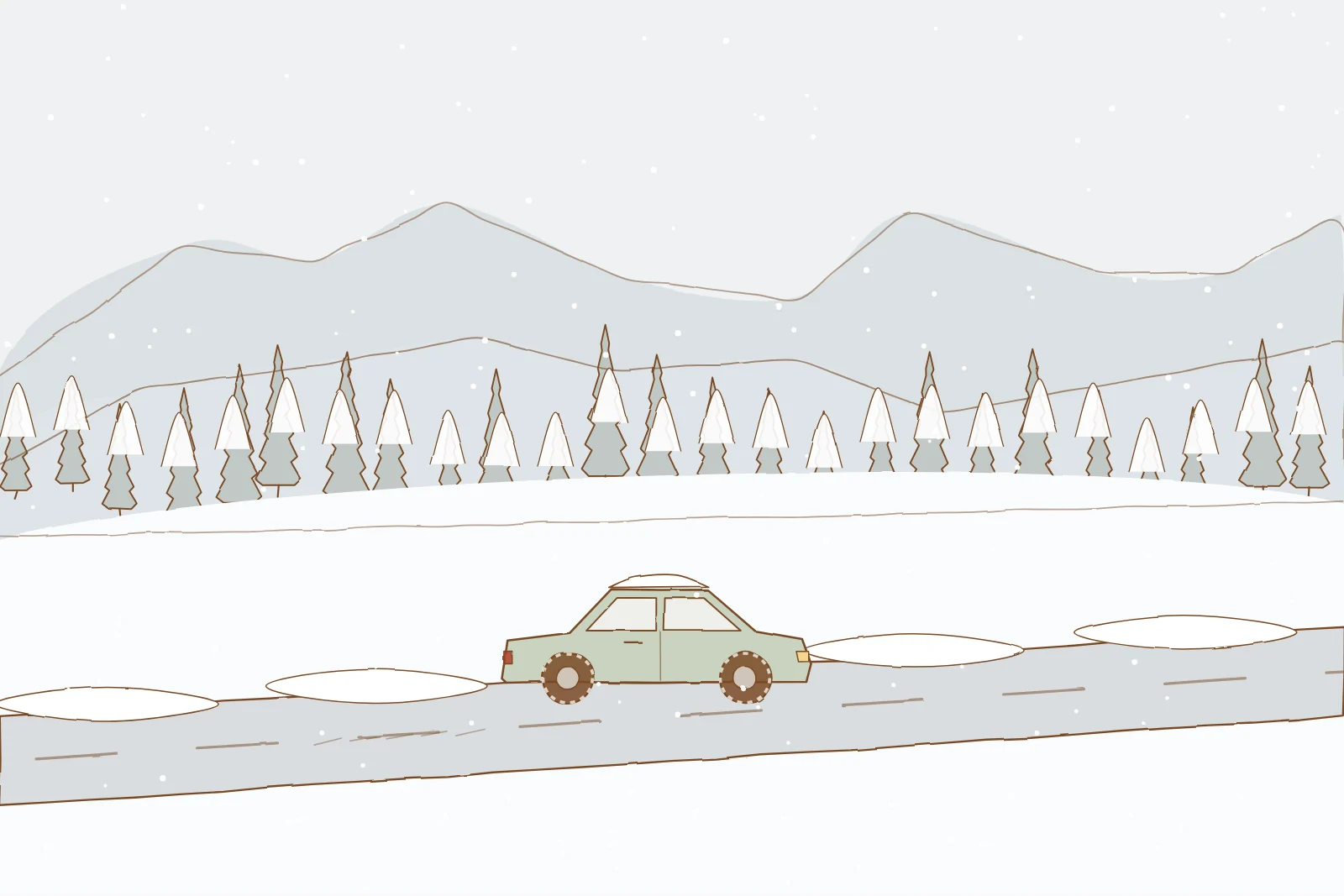
From December to March, the road authorities ask everyone driving to Takayama and Shirakawa-go to fit snow tyres. Book them with the car — not every rental car has them. In very heavy snow, some sections can be opened only to vehicles with chains, even if you have snow tyres, and National Route 41 and the Chubu-Jukan Expressway may close early for snow clearing. Rental cars usually come without chains.
So: check the forecast and road information the night before, drive in daylight, allow extra time — and keep a Plan B. If the mountains look wild, Gero Onsen or a slow day in Aichi is a fine trade. See our driving guide for more.
When to go
- Spring and autumn festivals: the Takayama Festival fills the old town with ornate floats twice a year — the spring Sanno Festival on 14–15 April and the autumn Hachiman Festival on 9–10 October. Wonderful to see, but book your room early and expect slow traffic.
- Winter: thatched roofs under snow are the classic Shirakawa-go picture. On the evenings of the winter light-up, every vehicle needs a parking reservation — and you'll need snow tyres all season.
- Any time: a hot-spring soak in Gero works in every season, and makes a good Plan B when the weather turns.
What to skip
- Trying to fit Takayama, Shirakawa-go and Kanazawa into one day. It's a lot of driving for very little time in each place.
- Arriving at Shirakawa-go late in the afternoon. The car park's last entry is 16:30 and it closes at 17:00.
- Driving up the Norikura Skyline. Private cars aren't allowed on it during its open season (mid-May to October); park and take the shuttle bus instead.
- Heading into the mountains straight off a long-haul flight. Sleep first — that's what a night in Aichi is for.
Why start and end in Aichi?
- You don't have to drive into the mountains straight off a long flight
- One whole house with a free washer-dryer — useful in the middle of a long trip
- Free parking for two cars, and an easy 35-minute run to Chubu Centrair on your last morning
Ready to plan your stay?
See prices and open dates for your group on Airbnb. Up to 5 guests, 2 free parking spaces.
Check dates on AirbnbBooking, payment and support are handled by Airbnb.
More guides
 Driving guideDriving in Japan as a visitor: a practical Aichi guideAichi is one of the easiest places in Japan to start driving: wide roads, good expressways and plenty of parking outside the city. This guide follows the order you'll meet things in — the paperwork, the rental desk, the toll gate, the first stop sign, the petrol pump and the last narrow lane to your door.
 ItineraryA 4-day Nagoya & Aichi road trip, day by dayAichi's big sights are scattered: Ghibli Park in the wooded hills, LEGOLAND on the waterfront, two castles in two different cities. That is exactly why a car and one quiet base work so well. Here is a full four days with three nights at Hanaike Retreat — timings, drives, parking, food, and the swaps we'd make for rain, small children or grandparents.
 CultureStaying at a village headman's estate near Nagoya: what it's really likeHanaike Retreat is a renovated guesthouse on the grounds of a village headman's house more than 100 years old, where the same family still lives. Here is an honest picture of a stay, from the moment you park to your last morning coffee.
Sources: approximate drive times from Hanaike from the house guide (measured with Google Maps, October 2026); Gifu Prefecture tourism (Shirakawa-go IC to Takayama IC about 40 minutes); Shirakawa-go Tourist Association (parking, fees and hours, light-up reservations, winter conditions); japan-guide.com and Go Central Japan (Gero Onsen); MLIT multilingual descriptions (Gero's water, Yumeguri Tegata); Takayama National Highway Office via Hida City (snow tyres, December–March); Hida City (early road closures); Takayama City (festival dates); Gifu Prefecture (Norikura Skyline private-car restrictions). Checked November 2026.